


Joint ventures and a strong regional presence let us offer
tailored on-site support across South Africa.

A South African diamond plant has one job: concentrate a few carats from thousands of tonnes of kimberlite or gravel without breaking or losing the stones. It does that by crushing, scrubbing and screening the ore, then separating it in dense medium cyclones with atomised ferrosilicon at a cut density of about 3.0, and finally recovering diamonds from the small heavy concentrate by X-ray sorting. This page explains each stage and the Songatech products that fit.
Primary kimberlite mines include Venetia in Limpopo near Musina, Cullinan in Gauteng east of Pretoria, and Finsch near Lime Acres in the Northern Cape. Kimberley still hosts tailings retreatment of old mine dumps, and alluvial gravels are worked along the Vaal and Orange rivers and on the west coast. Smaller operations in the southern Free State have also treated kimberlite and old tailings. The plants differ in size, but the flowsheet below is common to most of them. For towns and road distances, see mining supplies in the Northern Cape and mining supplies in Gauteng.
Large kimberlite mines run fixed DMS plants with crushing, scrubbing and recrush circuits. Tailings retreatment plants at Kimberley skip most of the primary crushing, because the dumps have already been crushed once, and focus on scrubbing, screening and DMS of material that older plants missed. Small alluvial operations along the rivers often use rotary pan plants, which separate heavy gravel in a thick mud suspension, and then send the pan concentrate to a small DMS module or straight to X-ray recovery. The wear parts change with the plant type, but screen panels, ferrosilicon and pumps appear in almost all of them.

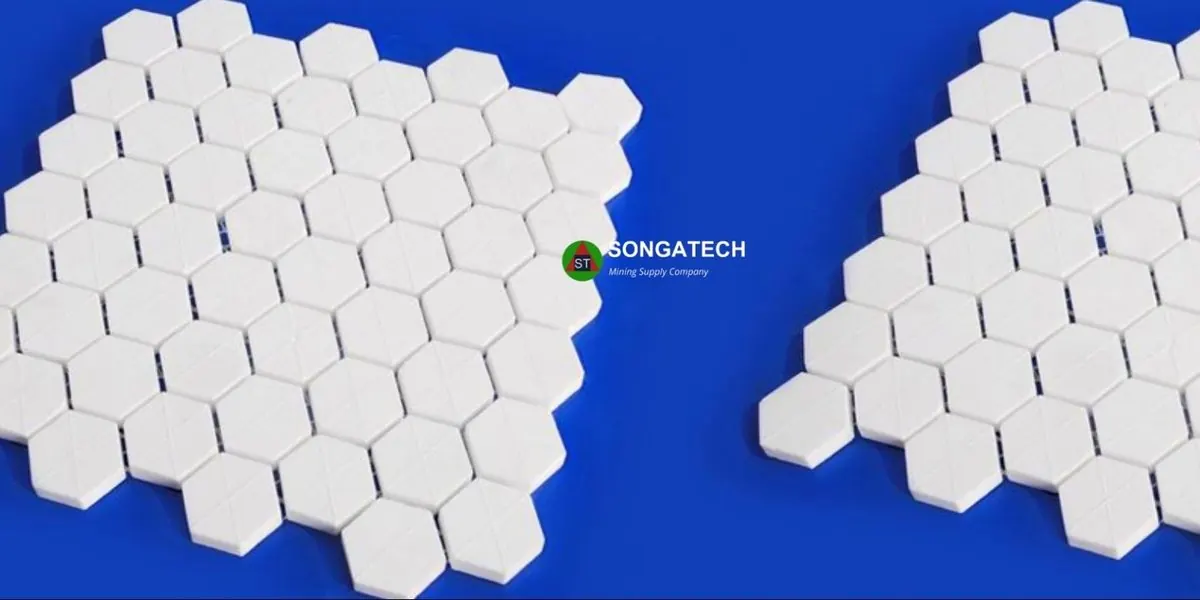
Kimberlite is crushed in stages, typically with secondary cone crushers set to a top size of about 25 or 32 mm. Crushing finer would free more stones, but it also breaks larger diamonds, which lose value sharply once broken. Many plants therefore crush coarse, recover what they can, and recrush the DMS tailings or the oversize in a separate circuit. Chutes and transfer points carry hard, angular rock; alumina and ZTA ceramic tiles suit sliding and impact zones.
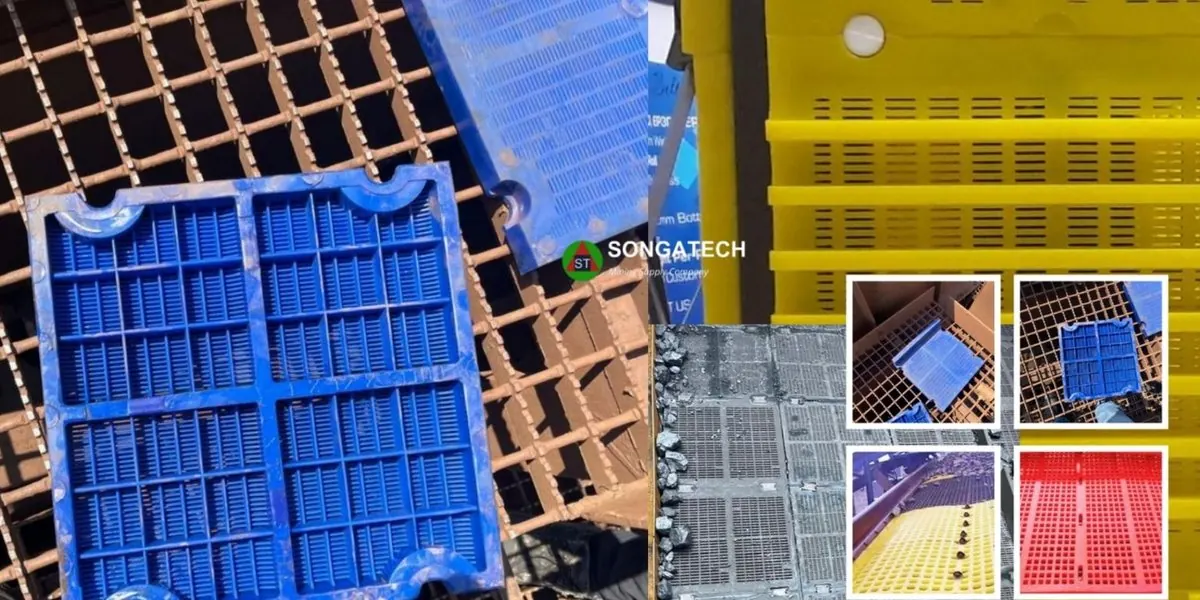
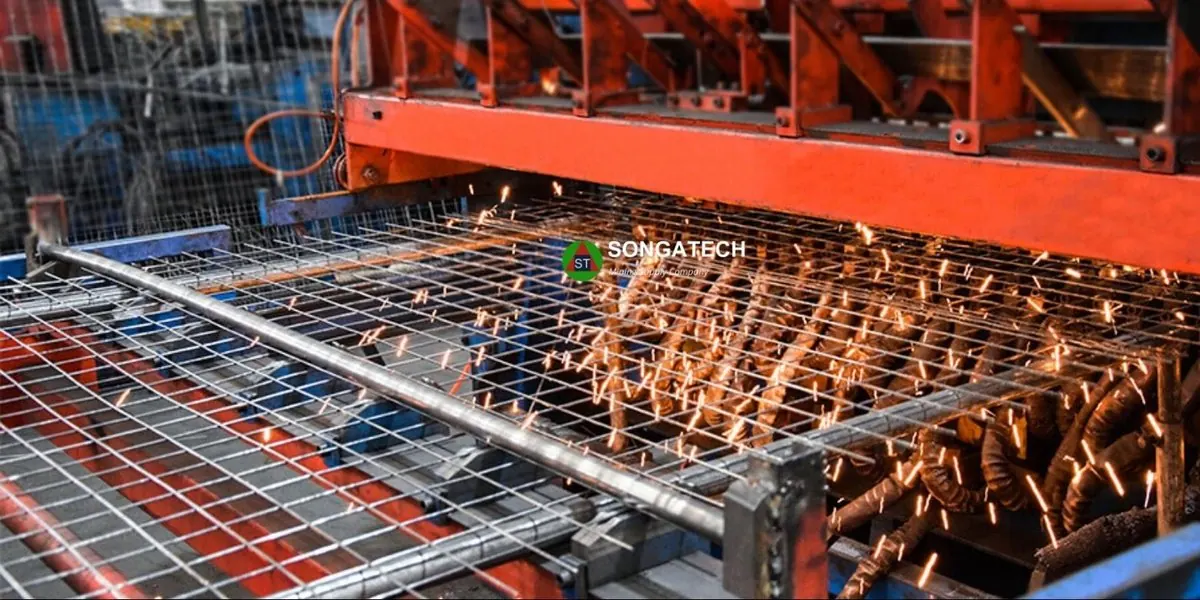
Weathered kimberlite contains a lot of clay. A rotary scrubber breaks the clay away from the grit, and a trommel screen at the discharge removes the fines. The ore is then screened to remove a large share of the non-viable fines, commonly below about 1 to 1.5 mm. Effective desliming matters because slimes carried into DMS raise medium viscosity and soften the cut, which costs diamonds. Songatech supplies trommel panels and liners, PU and rubber screen panels in polyurethane, rubber or hybrid builds, and woven wire mesh for sizing decks.
Diamond has a density of about 3.52, much higher than most kimberlite minerals. In the DMS cyclone, a ferrosilicon suspension is set so that material lighter than about 3.0 floats off to tailings, and in practice 98 to 99% of the feed leaves as DMS tailings. Only the heavy sink, a few percent of the mass at most, goes to recovery.
Gas-atomised ferrosilicon is preferred because its spherical particles give a lower viscosity medium, resist corrosion better and are recovered more completely than milled powder. Songatech ferrosilicon powder is supplied in Coarse, Fine, Cyclone 40, Cyclone 60 and DMS 70 grades; Cyclone 40 and Cyclone 60 are blended for DMS cyclones at SG 2.8 to 3.4, which covers the typical diamond cut. Each batch has a certificate of analysis for PSD, magnetic susceptibility and chemistry. The ferrosilicon grade selection guide explains how to choose.
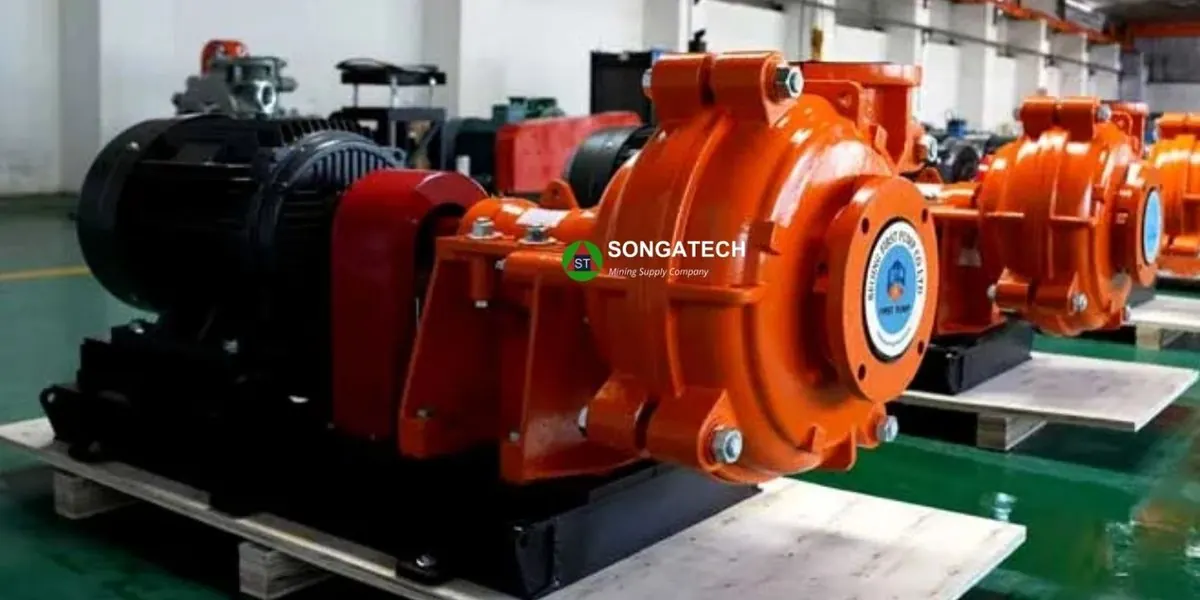
Floats and sinks pass over drain and rinse screens, and dilute medium goes to magnetic separators and a densifier. Panel condition here affects both ferrosilicon losses and diamond security, so slotted panels are inspected at every stop. DMS feed and medium pumps run hard on dense, abrasive slurry; high chrome slurry pumps are the usual choice. The DMS concentrate goes to X-ray sorters, which detect the luminescence of diamonds under X-rays, then to final hand sorting in a secure glovebox.
| Stage | Typical equipment | Wear or consumable problem | Songatech products that fit |
|---|---|---|---|
| Crushing | Jaw and cone crushers, high pressure grinding rolls at some plants | Chute and feeder wear, risk of breaking large stones | Ceramic chute linings, conveyor belts |
| Scrubbing | Rotary scrubber with trommel screen | Liner and trommel panel wear from grit and clay | Trommel panels and liners |
| Screening and desliming | Vibrating sizing and desliming screens | Aperture wear lets fines into DMS, pegging of near-size grit | PU and rubber screen panels, wire mesh |
| Dense medium separation | DMS cyclones, mixing box, medium sumps and pumps | Ferrosilicon losses and corrosion, cyclone and pump wear | Atomised ferrosilicon, slurry pumps, ceramic linings |
| Medium recovery | Drain and rinse screens, magnetic separators, densifier | Torn panels lose medium and can lose concentrate | Slotted PU and wedge wire panels |
| Water and slimes | Desliming cyclones, thickener, tailings pumps | Spigot wear, abrasive slimes | PU hydrocyclones, slurry pumps |
| Recovery and tailings | X-ray sorters, grease tables, tailings conveyors | Feed chute wear, belt wear on coarse tailings | Conveyor belts, ceramic tiles |
The medium is commonly set so that material lighter than about 3.0 is rejected. Diamond has a density of about 3.52, so it reports to the sink with the other heavy minerals.
Spherical, gas-atomised particles give a lower viscosity medium at high densities, resist corrosion and are easier to recover on magnetic separators than milled ferrosilicon, which lowers medium losses.
Songatech Cyclone 40 and Cyclone 60 blends are designed for DMS cyclones at SG 2.8 to 3.4. Coarse grade suits drums and baths. Send your cut density and cyclone size for a recommendation.
Fine particles carried into the medium raise its viscosity, which softens the cut and can send diamonds to the floats. Worn desliming panels and trommel screens are a common cause.
Trommel panels in polyurethane, rubber or hybrid builds, with lifter profiles matched to the drum speed and load. Send the trommel diameter, speed and aperture size for a quote.
For ferrosilicon, trommel and screen panels or wear linings for a diamond plant, send your duty details through the Songatech contact page or browse all mining products.
Send us the product, quantity and site. For linings and nozzles, include drawings or dimensions and we will match them to your equipment.